
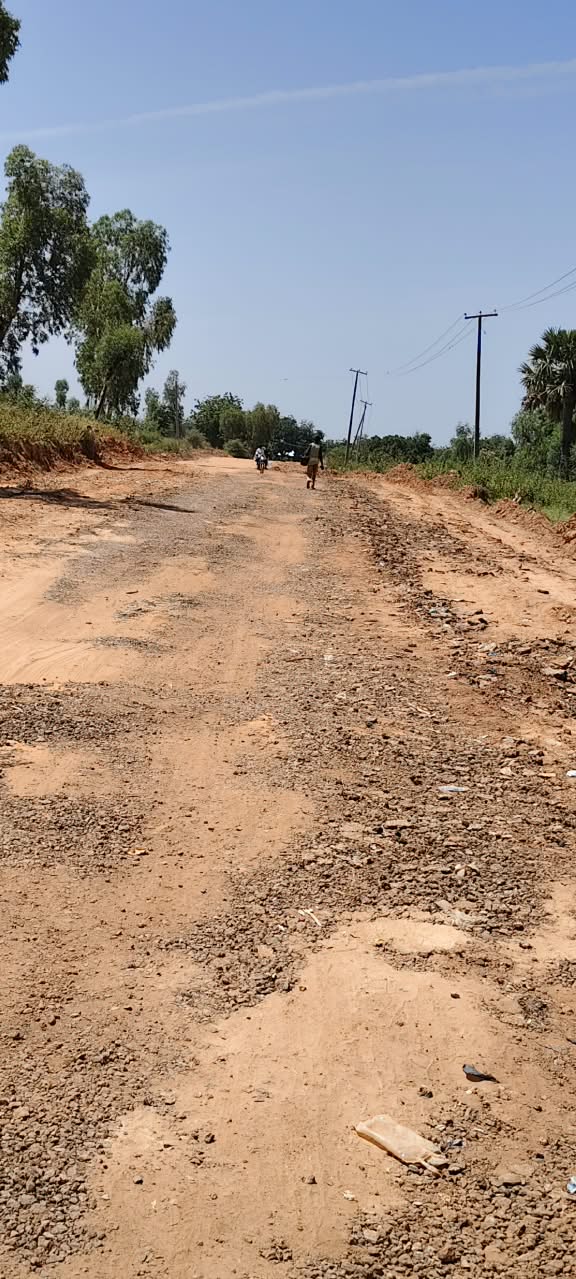
For decades, the deplorable condition of the road linking Dukku to Tarasa hindered economic growth, social development and the movement of people and goods in the Tarasa community of Kebbi State. For farmers, traders, teachers, pregnant women and other residents, travelling along the route often meant enduring considerable hardship, delays and additional transportation costs. Today, however, the commencement of the Tarasa road project by Governor Nasir Idris has rekindled hope, with community stakeholders describing the intervention as a long-awaited development capable of transforming their lives and opening new economic opportunities.
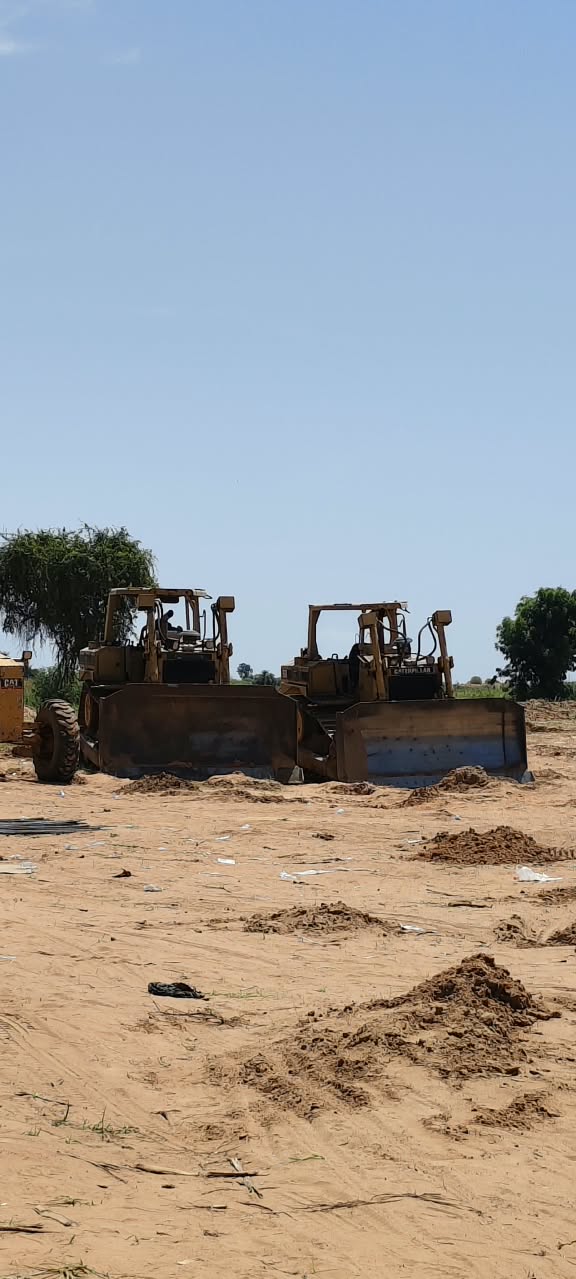
On Sunday, October 11, 2026, Governor Idris, popularly known as Kauran Gwandu, flagged off the construction of the five-kilometre Tarasa road project, fulfilling a campaign promise and reaffirming his administration’s commitment to extending infrastructure development to rural communities. For the people of Tarasa, the project represents far more than the construction of a road; it offers a pathway to economic prosperity, improved access to essential services and stronger connections with neighbouring communities.
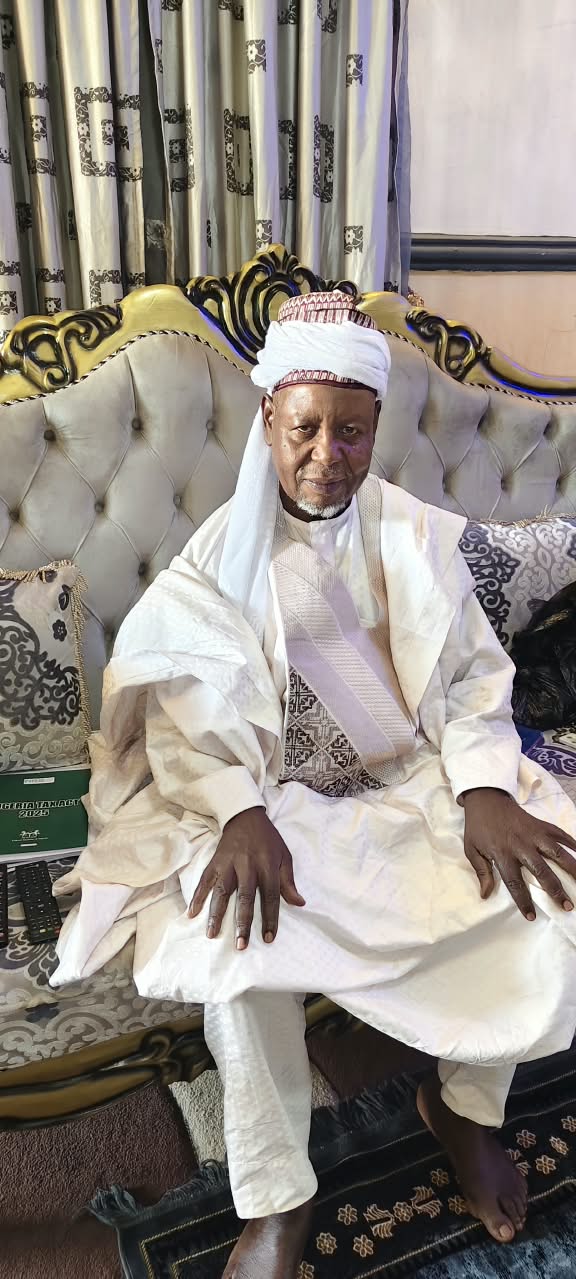
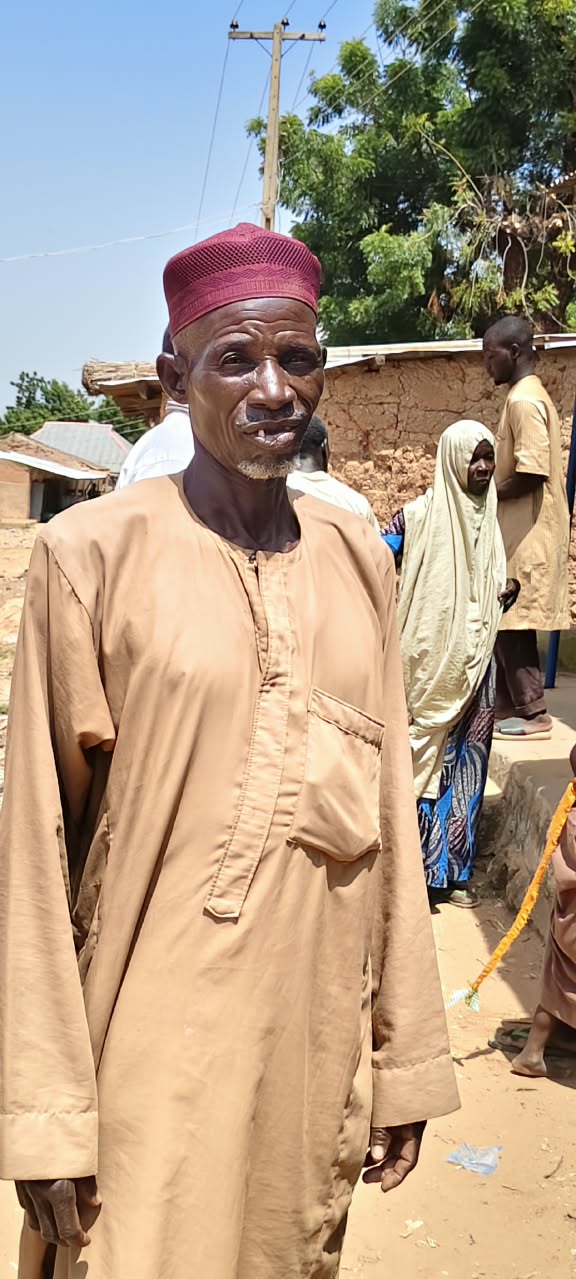
The District Head of Tarasa, Alhaji Faruk Abdullahi, expressed profound gratitude to the Governor, recalling that successive administrations had promised to construct the road without fulfilling their commitments. He noted that the present administration had demonstrated a more practical response to the community’s needs by commencing the road project while also showing concern for other essential areas, including education, healthcare and access to potable water.
According to the traditional leader, Tarasa’s proximity to the Niger Republic gives the community considerable potential to develop into a vibrant commercial centre. However, the deplorable condition of the road had discouraged traders, restricted the movement of goods and limited the community’s ability to maximise its geographical advantage. He expressed optimism that completing the project would attract more traders, commercial vehicles and business activities, positioning Tarasa to benefit from cross-border commerce and wider regional economic interactions.
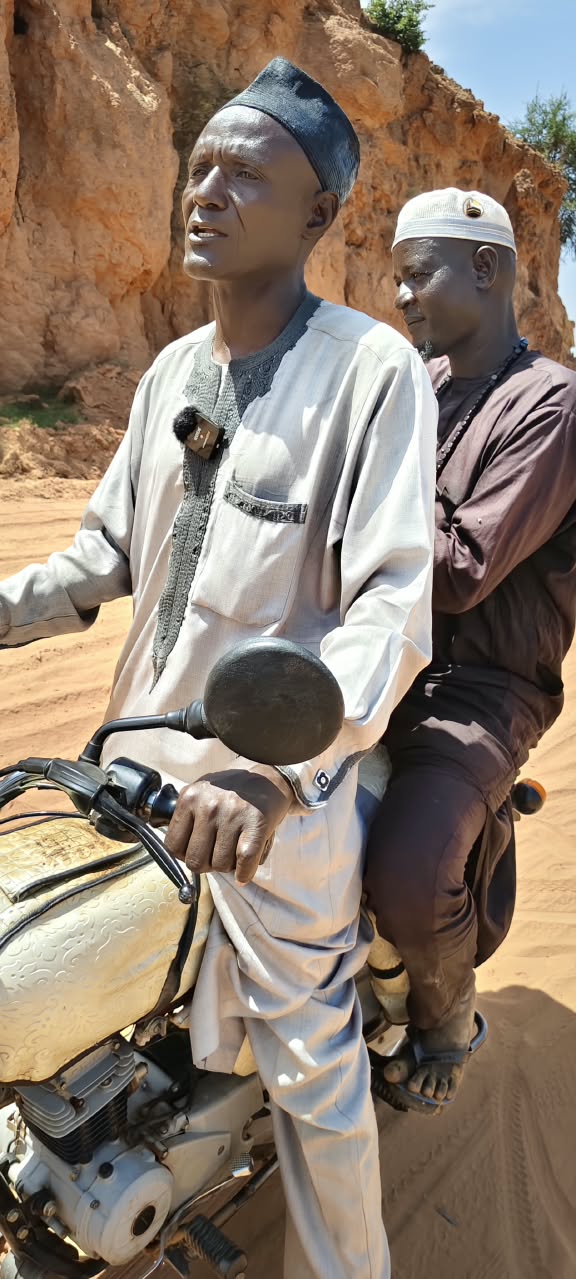
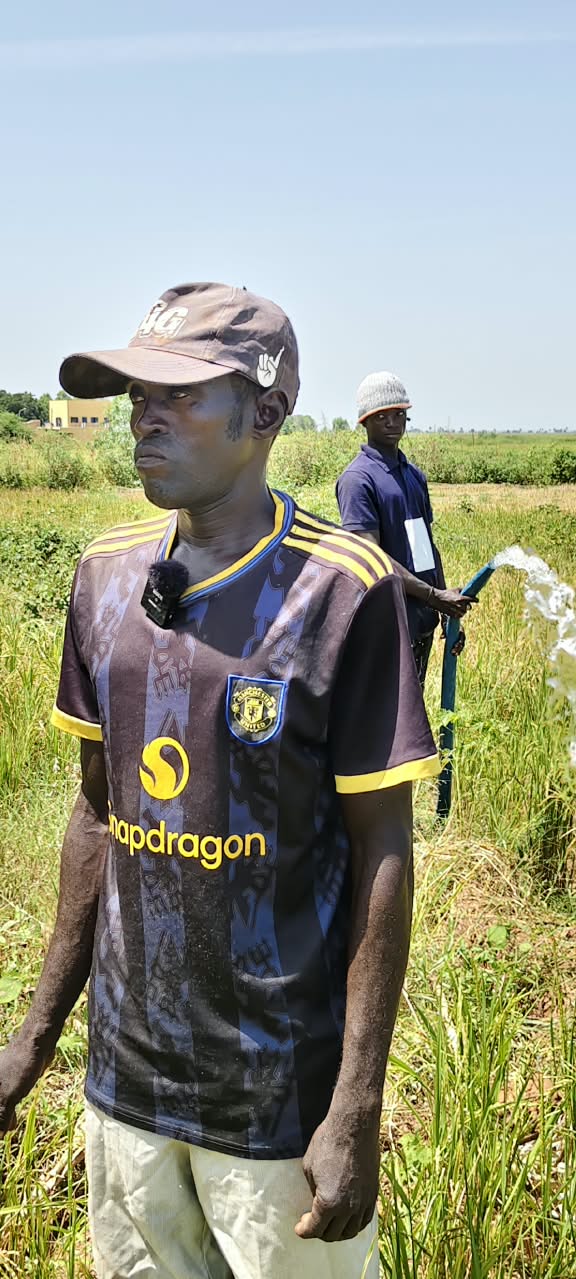
For the farming community, the project represents a significant opportunity to improve livelihoods and reduce the difficulties associated with transporting agricultural produce to markets. Dahiru Muhammad, a farmer, recalled the challenges farmers faced, particularly during the rainy season, when waterlogged sections and potholes made the route almost impassable. He explained that transportation delays sometimes resulted in losses when farm produce deteriorated before reaching buyers.
Similarly, Buhari Fashi Tarasa observed that the poor condition of the road had restricted farmers’ access to markets, limited the number of buyers willing to visit the community and reduced their opportunities to earn better incomes. He expressed confidence that improved accessibility would attract more produce buyers, facilitate the movement of agricultural goods and strengthen commercial activities across the area.
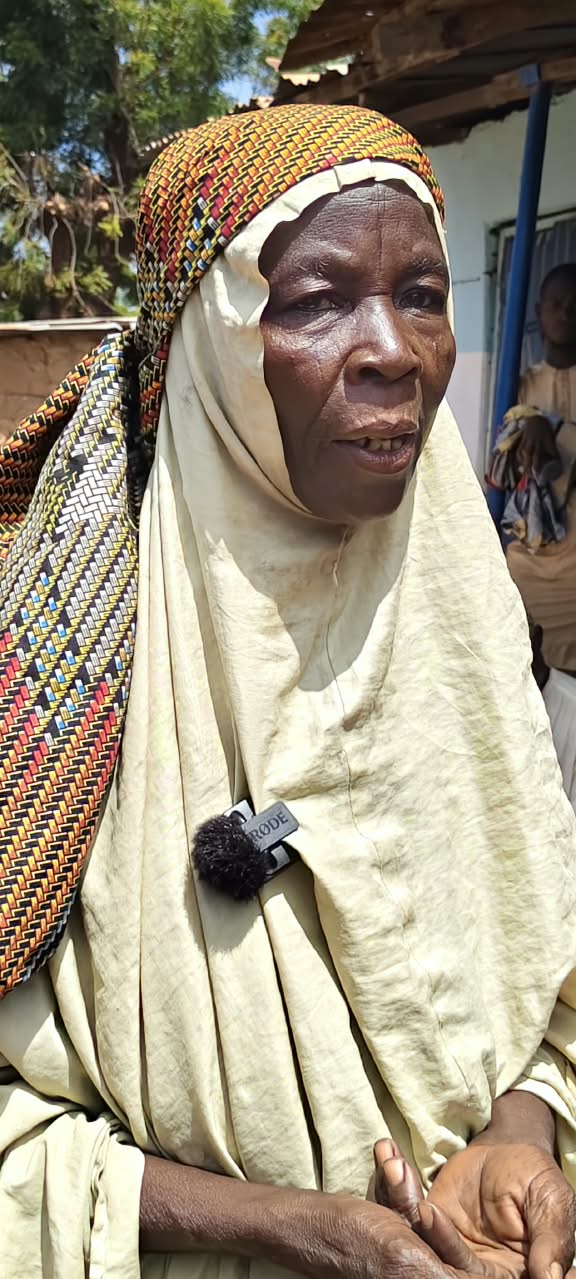
Beyond its economic significance, the road project is expected to address some of the difficulties residents encounter in accessing healthcare. Balkisu Antaru, a resident of Tarasa, recalled the distressing experiences of pregnant women travelling to healthcare facilities, noting that some had to be carried along the difficult route. She welcomed the project as a major relief for families and commended Governor Nasir Idris for recognising the community’s longstanding infrastructure needs.
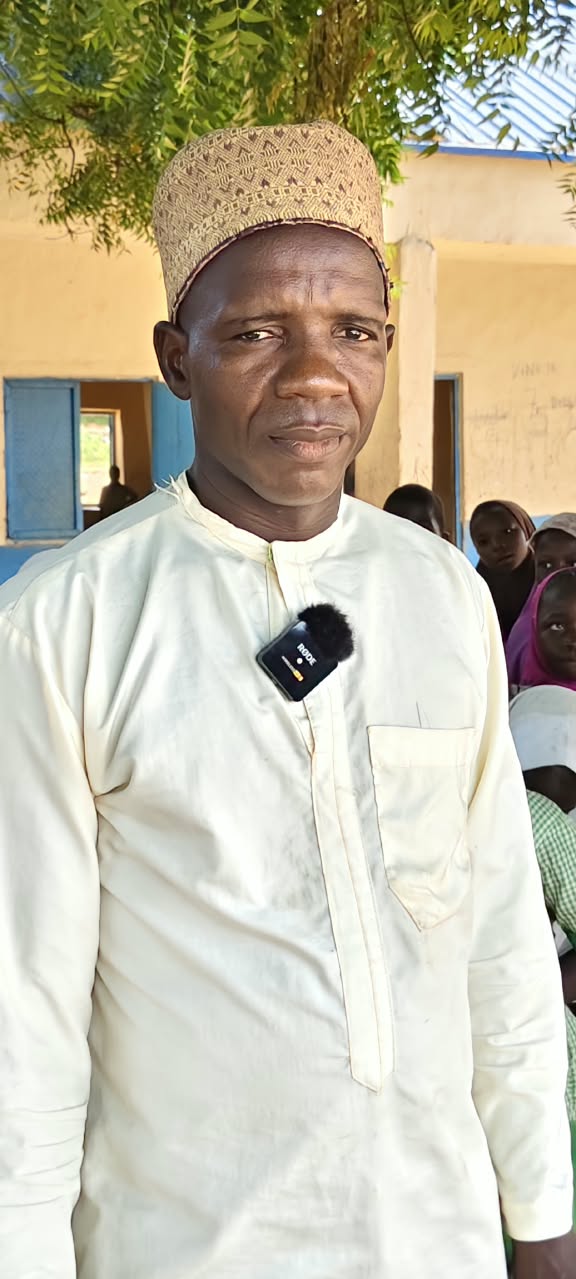
For teachers and other public servants, the road promises a more accessible and conducive working environment. Jamilu Ahmed, a teacher in Tarasa, explained that the poor condition of the route had discouraged some teachers from accepting postings to the community, while others had sought transfers because of the difficulties associated with commuting. He expressed hope that improved road access would encourage teachers to remain in the area, enhance their working conditions and contribute to better educational outcomes.
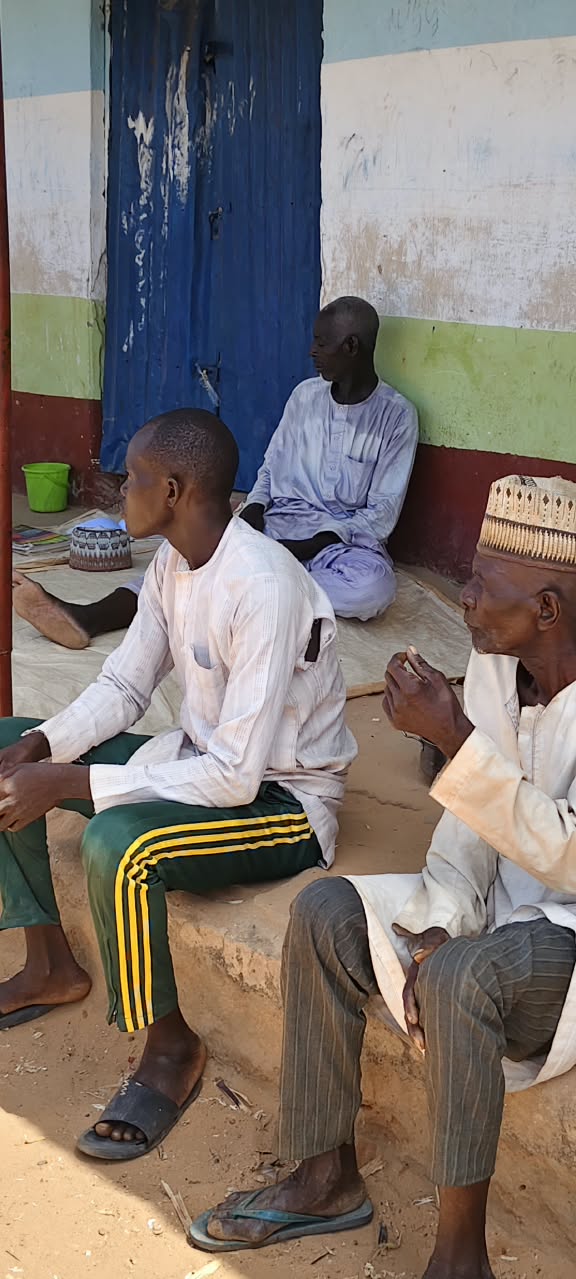
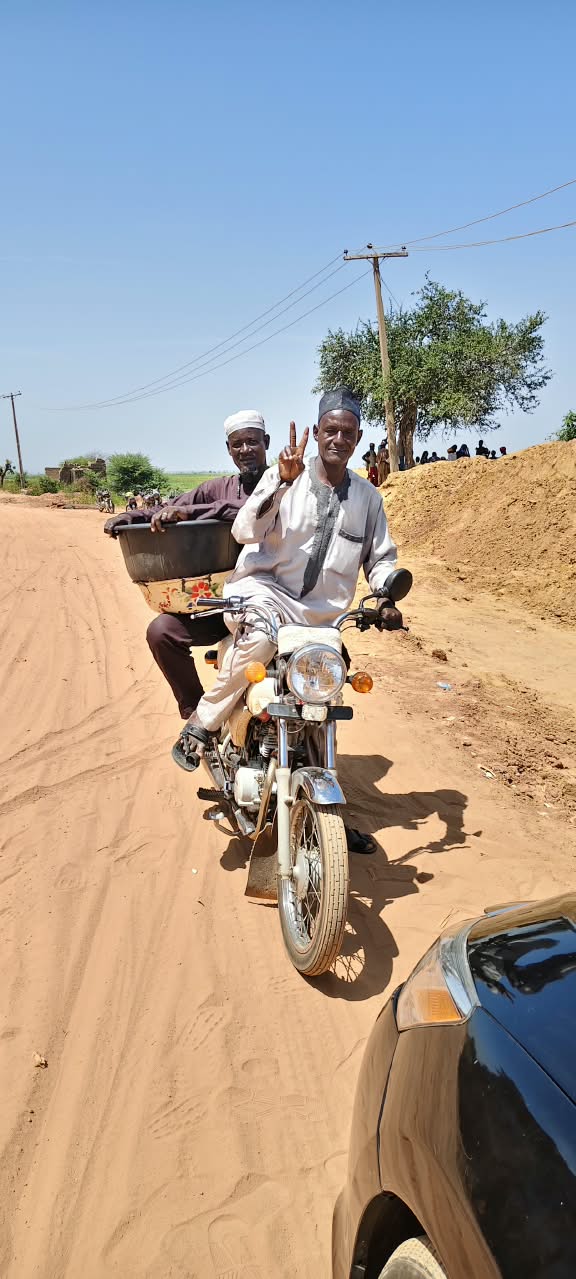
Other road users have also welcomed the intervention, noting that construction activities have brought renewed optimism about the prospects of improved movement and connectivity. As work progresses, residents look forward to a more reliable route that will reduce transportation difficulties and make movement between Tarasa and neighbouring communities easier.
The testimonies from Tarasa underscore the wider importance of rural road infrastructure in community development. Good roads do more than connect settlements; they link farmers to markets, children to schools, patients to healthcare facilities and businesses to new customers. They reduce transportation costs, improve access to public services, support livelihoods and enable rural communities to participate more actively in economic activities.
This is the broader significance of Governor Nasir Idris’s intervention in Tarasa. By extending road infrastructure to a community that has endured years of difficult access, his administration is addressing a longstanding development challenge while creating opportunities for commerce, agriculture, education and social welfare. The project also reinforces the principle that rural communities deserve infrastructure investments capable of improving everyday life, regardless of their distance from major urban centres.
For Tarasa, the road project is therefore a long-awaited investment in people, productivity and prosperity. Its successful completion will be essential to realising the expectations now associated with it, particularly in unlocking the community’s commercial potential and improving access to essential services.
As construction progresses, residents have expressed appreciation to Governor Nasir Idris while calling for sustained attention to other rural roads and essential services. Their message is clear: a good road is more than a route from one place to another; it is a gateway to opportunity, a catalyst for economic growth and a foundation for a better quality of life.
For a community that has endured years of difficult transportation, the Tarasa road project represents a renewed prospect of connection, inclusion and progress. What was once a symbol of isolation now carries the promise of a more accessible and economically vibrant future.
Comments