
The Kebbi State Government has accused the African Democratic Congress (ADC) governorship candidate and former Attorney-General of the Federation, Abubakar Malami, SAN, of politicising a recent United Nations Development Programme (UNDP) poverty report to score political points ahead of the 2027 general elections.
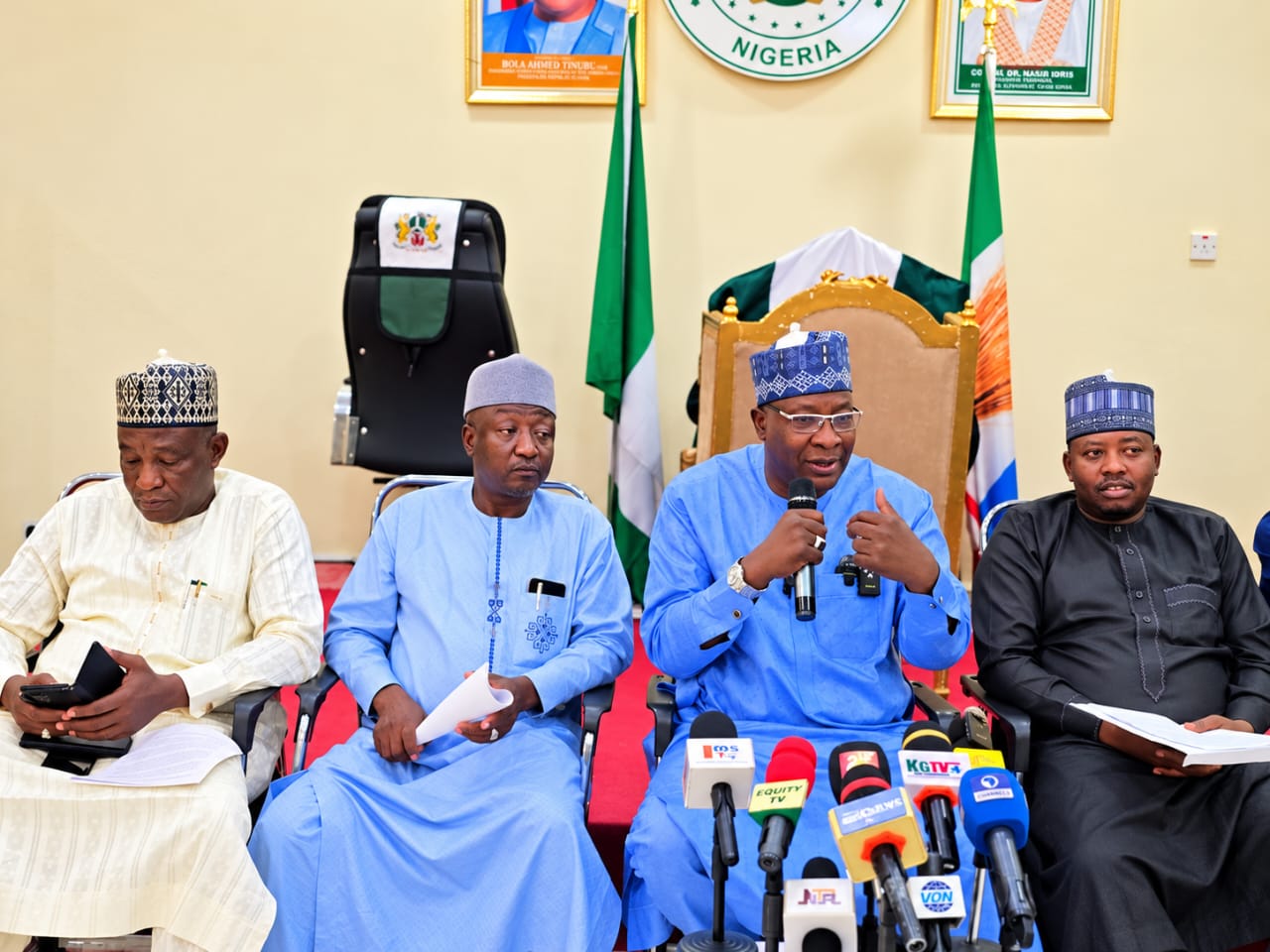
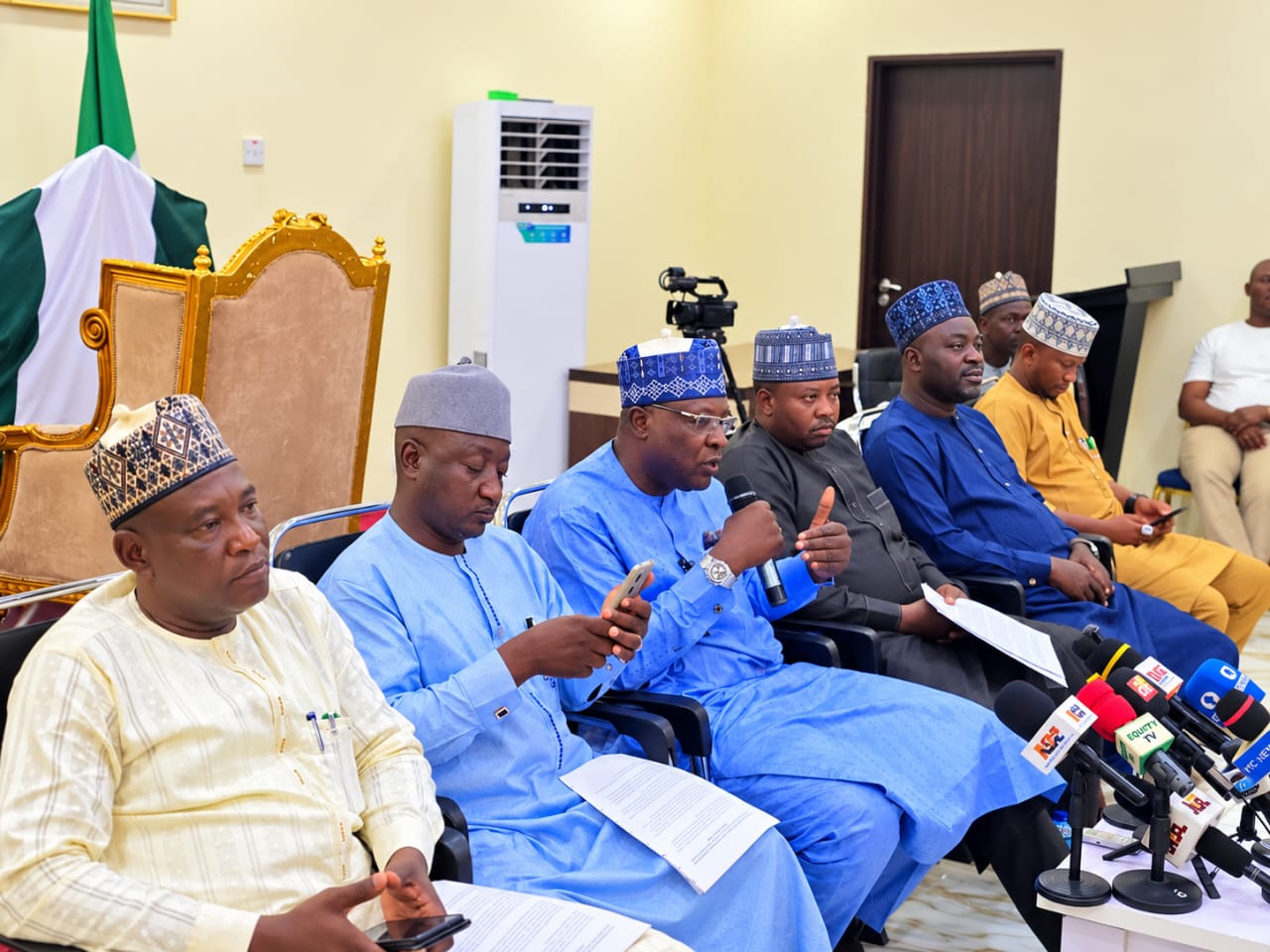
The Honourable Commissioner for Information and Culture, Alhaji Yakubu Ahmed Birnin Kebbi, stated the government’s position at a press conference in Birnin Kebbi on Sunday. The briefing was attended by the Governor’s media aides, of whom the Commissioner is the Chairman.
He accused opposition figures of using the report to discredit the administration of Governor Nasir Idris rather than engage in constructive discussions on addressing poverty and improving the living conditions of residents.
The Commissioner acknowledged the economic difficulties and security challenges confronting Nigeria but questioned what he described as Malami’s selective emphasis on the hardships facing Kebbi State. He argued that the period covered by the UNDP report also included years when Malami served as Attorney-General of the Federation under former President Muhammadu Buhari.
According to him, the former minister should also reflect on the record of the administration in which he served instead of attributing the state’s challenges entirely to the present government.
On insecurity, the Commissioner highlighted measures undertaken by Governor Idris to support security agencies and protect communities across the state. These include the provision of operational vehicles and motorcycles, logistical assistance to security personnel, and support for the military, police, Department of State Services (DSS), Nigeria Security and Civil Defence Corps (NSCDC), hunters and vigilante groups, alongside relief assistance for communities affected by insecurity.
He also cited the establishment of forward operating bases and additional military formations, including the 28 Armoured Brigade and Garrison in Birnin Kebbi, the 281 Tank Battalion in Yauri and the 381 Artillery Regiment in Kaoje, as part of efforts to strengthen security operations and improve the capacity of security personnel to respond to emerging threats.
The Commissioner further disclosed that the state government was pursuing additional security measures, including the acquisition of armoured platforms, to enhance responses to banditry and other violent crimes.
He said Governor Idris had personally visited affected communities, offered condolences to victims and provided relief assistance to those impacted by insecurity. While acknowledging that insecurity remained a serious concern, he maintained that the administration was working with relevant security agencies to improve the protection of lives and property throughout the state.
Addressing issues relating to corruption and the management of public resources, the Commissioner referred to court proceedings concerning properties reportedly linked to Malami. He maintained that questions of accountability and the handling of public resources should be addressed through established legal processes.
He further argued that the debate on poverty must be accompanied by a commitment to transparent governance, accountability and responsible public spending. Any allegations of misconduct, he stressed, should be assessed in line with the relevant court records and established legal procedures.
Defending Governor Idris’ development record, the Commissioner highlighted investments in healthcare, education, road construction, agriculture and social welfare. Among the interventions he cited were the renovation and development of health facilities, employment of teachers, improved wages, scholarships, payment of school fees for students studying within and outside Nigeria, distribution of fertiliser and other agricultural inputs, and the provision of food and cash assistance to vulnerable households.
He said these initiatives were designed to improve living standards, expand access to essential services, create opportunities and cushion the effects of prevailing economic difficulties on residents.
On infrastructure and economic development, the Commissioner highlighted road projects across Kebbi State, including the Koko–Zuru road, which he described as an important agricultural and commercial corridor. According to him, improved road networks would ease the transportation of farm produce, facilitate trade, connect rural communities to markets and reduce the difficulties faced by residents in accessing essential services.
He also cited the establishment of the Ministry of Solid Minerals Development and the Solid Minerals Development Agency as strategic steps towards strengthening the regulation of the sector, attracting investment and ensuring that the state’s mineral resources contribute more effectively to economic growth and revenue generation.
The Commissioner acknowledged that poverty reduction required sustained interventions and that three years might not be sufficient to reverse longstanding economic challenges. He, however, maintained that the Idris administration remained committed to implementing policies and projects aimed at improving livelihoods, expanding infrastructure and strengthening economic opportunities across the state.
He urged residents to assess the government’s performance objectively through its policies, programmes and projects, while encouraging constructive public discourse on poverty, insecurity and development.
The briefing concluded with a call for sustained cooperation among government, security agencies, communities and other stakeholders to address the challenges confronting Kebbi State and improve the welfare of its people.
Comments